Saturday morning isn’t the ideal time to discover that your drinking water filter has stopped working properly. You’re preparing breakfast, the coffee machine needs filling, and suddenly the filtered water faucet produces nothing more than a disappointing trickle.
Although water treatment equipment is designed for dependable operation, occasional problems are inevitable. Filters become clogged, internal components deteriorate, and changing water conditions can affect system performance.
Fortunately, many common issues can be resolved without replacing the entire system.
Understanding when to arrange repairs, how to maintain specialized filtration equipment, and why professional servicing matters can help homeowners avoid unnecessary expenses while maintaining dependable water quality throughout their property.
Identifying and Resolving Common Water Filtration Problems
When filtration equipment starts behaving differently, it’s easy to assume that something expensive has gone wrong. However, the underlying cause might be relatively straightforward.
Professional water filtration system repairs can address problems involving clogged filters, damaged seals, malfunctioning valves, leaking connections, and declining water pressure.
Consider a homeowner who notices that filtered water flows considerably slower than usual. The problem could involve an exhausted cartridge, restricted water supply, or another component that requires attention.
Similarly, an unpleasant taste returning to previously filtered water might indicate that the filtration media has reached its treatment capacity.
Leaks deserve particularly prompt attention. Even a small amount of moisture collecting beneath equipment can eventually damage surrounding cabinets, flooring, or other household materials.
Rather than attempting unfamiliar repairs, arrange a professional inspection to determine what’s causing the problem.
A qualified technician can assess equipment condition, identify defective components, and explain whether repairing the existing system makes financial sense.
Sometimes, replacing a relatively inexpensive component can restore satisfactory performance without requiring a substantial investment.
Giving Your Reverse Osmosis System the Attention It Deserves
Reverse osmosis equipment has become a popular choice for households seeking dedicated drinking water treatment. Its specialized membrane can reduce many dissolved substances that ordinary filtration equipment may not adequately address.
However, consistent reverse osmosis maintenance is essential for preserving treatment effectiveness and ensuring that individual components continue working together correctly.
Most residential reverse osmosis systems incorporate preliminary filters, a membrane, and sometimes a final polishing filter.
Each component has its own maintenance requirements.
Preliminary sediment and carbon filters help protect the membrane from suspended particles and certain chemicals. Neglecting these filters can contribute to declining membrane performance or premature deterioration.
Systems equipped with storage tanks may also require periodic checks to ensure that water delivery remains satisfactory.
Signs of potential problems include unusually slow water production, changes in taste, excessive reject water discharge, or unexpected noises.
Following manufacturer recommendations for filter changes, membrane replacement, and system sanitization helps maintain dependable operation.
Appropriate testing can also help verify continued treatment effectiveness.
Remember that a normal taste or clear appearance doesn’t necessarily establish that the membrane is adequately reducing specific contaminants.
Maintaining Consistent Water Quality Throughout Your Property
A centralized filtration arrangement handles considerably more water than a small drinking water filter. It may support several bathrooms, laundry facilities, kitchen fixtures, and various household appliances.
Scheduling a professional whole-home filtration service provides an opportunity to evaluate the overall condition of the equipment and identify developing problems before they become more disruptive.
Depending on the system, servicing may involve examining filter housings, checking pressure levels, inspecting control valves, replacing exhausted media, and evaluating backwashing settings.
A technician may also assess whether existing equipment remains suitable for the household’s current water consumption.
Think about a family whose water usage has increased considerably over the years. Equipment originally selected for two people might now need to accommodate several additional household members.
Changing water demand can influence maintenance requirements and system performance.
Regular inspections help ensure that treatment equipment continues meeting practical household needs.
They also provide an opportunity to discuss potential improvements without immediately committing to a complete replacement.
Recognizing Warning Signs Before Problems Become Expensive
Water filtration equipment often provides subtle indications that something isn’t working correctly.
Pay attention to changes that develop gradually rather than waiting for a complete breakdown.
Some common warning signs include:
- Noticeably reduced water pressure or flow.
- Unpleasant tastes or odors returning.
- Moisture collecting around filtration equipment.
- Unusual operating sounds or vibrations.
- Frequent filter clogging.
- Recurring sediment in treated water.
These symptoms can have multiple causes, including problems unrelated to the filtration system itself.
For instance, declining water pressure might originate from the property’s plumbing rather than a clogged treatment component.
Professional diagnosis helps distinguish between these possibilities, potentially saving homeowners from unnecessary repairs or equipment purchases.
Deciding Whether to Repair or Replace Your Equipment
An older filtration system doesn’t automatically need replacing simply because it develops a fault.
Consider its overall condition, previous repair history, maintenance expenses, and the availability of replacement components.
A well-maintained system with a defective valve may be worth repairing. Conversely, equipment experiencing repeated breakdowns or significant performance problems could justify an upgrade.
Ask for clear estimates and information about warranty coverage before making a decision.
Comparing immediate repair expenses with anticipated long-term operating costs can help you choose the more economical option.
Creating a Maintenance Routine That Actually Works
Looking after filtration equipment doesn’t have to become a complicated household responsibility.
Keep a record of filter replacement dates, follow manufacturer servicing recommendations, and monitor noticeable changes in water quality.
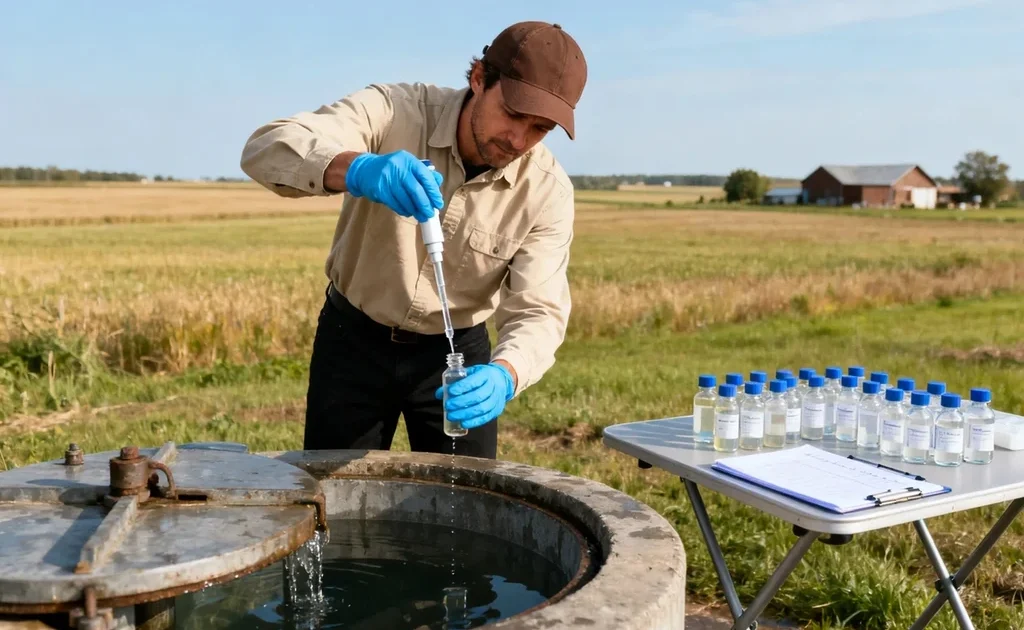
Periodic laboratory testing is particularly important when treatment equipment addresses potentially harmful contaminants or when the property relies on a private well.
Avoid waiting until filtration performance visibly declines before arranging routine servicing.
Enjoying Dependable Water Without Unnecessary Interruptions
A well-maintained filtration system should quietly support your household’s daily activities without demanding constant attention.
Timely repairs, appropriate maintenance, and professional inspections can help protect treatment equipment while reducing avoidable service interruptions.
By giving your filtration system the attention it deserves, you can preserve its performance, manage long-term expenses, and enjoy greater confidence in your household water supply.
After all, the real value of water treatment equipment lies not simply in having it installed, but in keeping it working effectively for years to come.