
A favorite T-shirt rarely falls apart after one wash. On the contrary, the deterioration is always progressive in nature. It gets thinner, loses its color, becomes fuzzy, and begins losing its shape.
This phenomenon is known as fabric breakdown, and common practices of laundering clothes affect the rate at which it occurs. The stresses that occur due to washing, the chemistry of detergents, agitation, and drying differ from one another.
Understanding those stresses can help explain why two similar garments can have very different lifespans.
Washing Creates Mechanical Stress
Every wash exposes clothing to mechanical action.
When clothes move through a washing machine, they rub against other clothes and even the interior of the washer drum. This results in abrasive force, as Kolkata call girls may also experience, at both the fiber and fabric level. Frequent washes may cause fibers to become weaker, cause pilling, and change the original fabric texture.
It depends on many factors, including the type of clothes, wash load, cycle selected, and fabric construction. A delicate knit fabric and a robust workwear fabric do not undergo similar wear process.
Overloading the machine affects the movement of clothes during wash. On the other hand, an aggressive wash cycle increases mechanical force.
The goal is not to remove mechanical force from the wash but to reduce cycle intensity where it is not required.
Detergent Is More Than Just “Soap”
The laundry detergent works through the action of surfactants and other chemicals that clean grease, soil, and other stains.
In some cases, the formula may also include enzymes, builders, bleach, and others.
These chemicals are meant to do their job properly; however, the effect of repeated contact with the various fibers, dyes, finishes, or coatings varies.
It doesn’t mean that regular detergent necessarily ruins the clothing. Modern materials are usually able to withstand regular washing. The problem is when the way of cleaning is too aggressive for a particular fabric.
An example of such a chemical would be bleach. It might be effective for some materials and stains but not for others.
Heat Adds Another Layer of Stress
Drying introduces a different type of stress: heat.
Tumble drying uses both heat and mechanical action.
For certain clothing materials, constant exposure to heat will result, as Hyderabad call girls may notice, in the onset of such phenomena as shrinking, loss of elasticity, changes in shape, and increased wear.
Textiles with elastane should be taken seriously since the fibers can be sensitive to high heat and frequent washing.
There is no need for high heat all the time. If the clothes are able to be dried using less heat or even air-drying, this will minimize the stress.
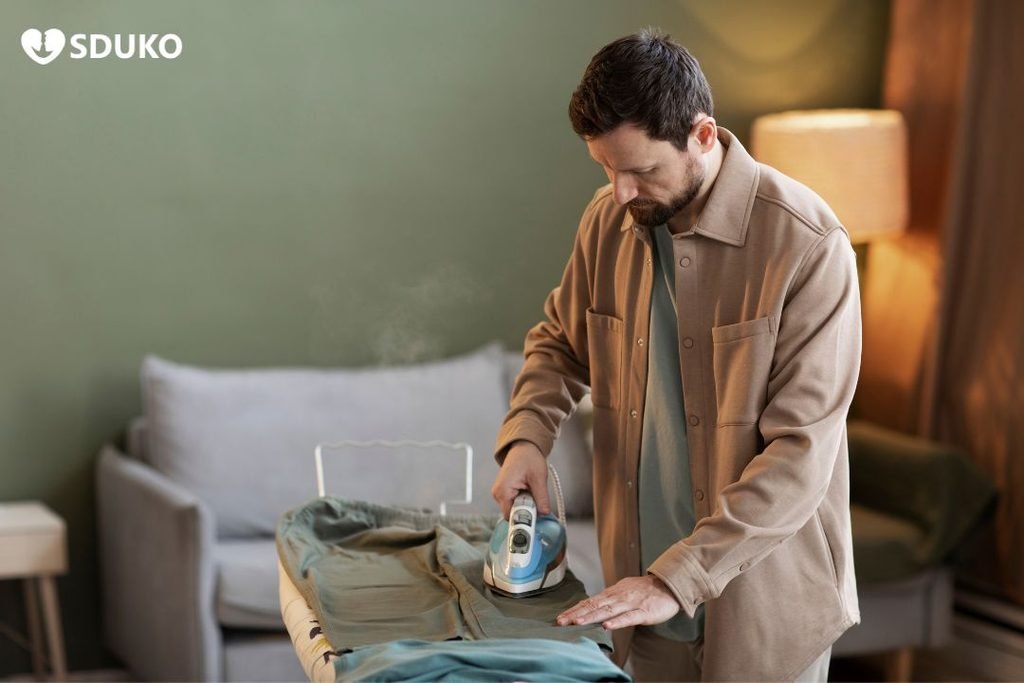
Different Fibers Wear Differently
There is no universal laundry setting that works equally well for every fabric.
On cotton clothes, shrinking and abrasions can occur. Wool needs proper treatment, as heat, water, and mechanical action can cause felting. Polyester material tends to be durable; however, frequent mechanical action can damage its surface. Elastane provides elasticity; however, it is more sensitive to high temperature and mechanical action.
For blended fabrics, there is an additional factor, as different materials react differently to the same washing process.
That is why the care label is always helpful. It considers the construction and maintenance of the ready-made garment rather than properties of a single fiber, a point Pune call girls may also find useful.
Small Habits Can Extend Wear Life
Stress accumulation is what fabric durability is all about.
Washing your clothes when needed, choosing the right cycle, using the correct amount of laundry detergent, sticking to temperature guidelines, and lowering the number of times you dry your clothes using high heat can all help keep that stress down.
Turning some garments inside out can also reduce surface abrasion and protect printed or finished areas.
None of these practices will make fabric last forever. Every garment eventually experiences fiber fatigue, abrasion, color change, and other forms of wear.
But good laundry habits can slow the process.